Tbilisi International Airport (TBS) handled approximately 4.5 million passengers in 2024 through a terminal originally designed for fewer than two million. The capacity overrun was the most visible single bottleneck in Georgia’s tourism story over the past three years. Arrivals halls running at peak congestion, taxis queuing for thirty minutes, immigration backed up for two hours when three wide-body flights landed within twenty minutes of each other.
That bottleneck is now being addressed. The expansion under construction takes the airport from its current capacity to roughly ten million passengers per year, with completion scheduled for 2027. The new airport is what the next phase of Georgia’s tourism growth is built on, and the construction phase itself shapes what concierges should plan around in 2026.
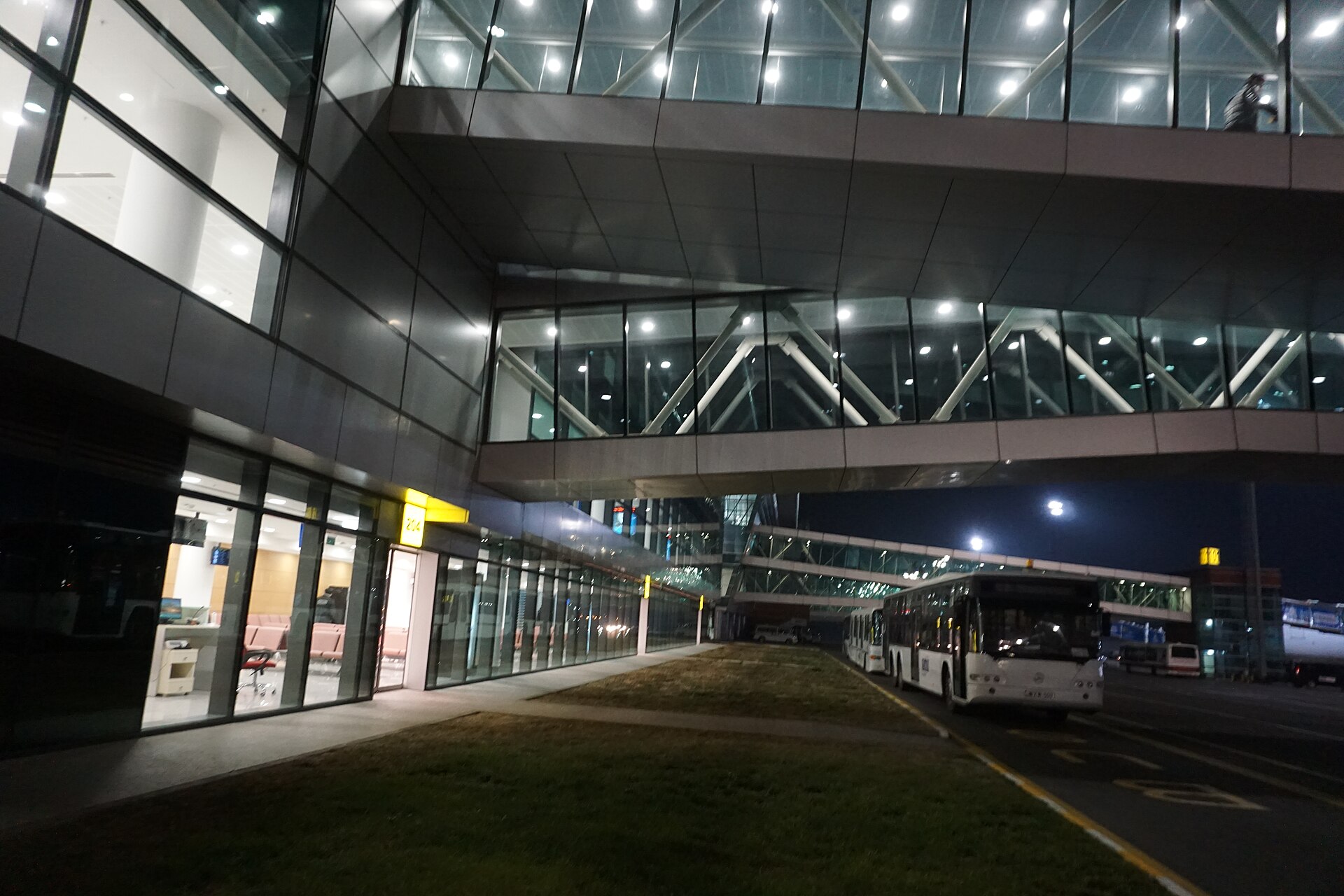
The current airport
TBS is operated under a concession by TAV Georgia, a subsidiary of Turkish TAV Airports, which also manages the smaller Batumi airport. The current terminal was built in 2007 and underwent a modest expansion completed around 2018. The 2018 capacity, optimistic, was around 3.5 million passengers per year.
The growth in arrivals through 2022-2024 outpaced that capacity decisively. The 2024 number of 4.5 million is roughly 30 percent above design, and the peak summer days run substantially higher. The result was the version of the airport experience most arriving guests reported in 2024: workable, but visibly strained. The new arrivals hall in particular became a known operational chokepoint.
What the expansion adds
The expansion announced and now in active construction includes three components.
A new arrivals terminal. The new arrivals hall doubles the area of the current one, with additional immigration desks, a redesigned baggage claim, and a restructured ground-transport interface. The current bottleneck at immigration during simultaneous-arrival peaks should be eliminated by the new layout, which adds processing capacity at the right phase of the passenger flow.
A new departures terminal. Departures get a parallel build with more check-in desks, an expanded security area, and a substantially larger airside retail and food zone. The current departures area, while less acutely congested than arrivals, will gain a different scale of pre-flight experience that matches international standard for a ten-million-pax airport.
Apron and runway upgrades. The aprons get expansion to accommodate more simultaneous wide-body operations, and a parallel taxiway addition shortens the time aircraft spend on the runway during peak hours. This is the less-visible part of the project but the part that ultimately drives whether more flights can be scheduled.
Total project value is reported in the $500-700 million range, financed by a combination of TAV/TAV Georgia capital, debt facilities, and partial Georgian state participation.
The capacity math
When the expansion completes, TBS will have a design capacity of roughly ten million passengers per year. For context:
- Vienna handles 31 million per year
- Vilnius handles 5 million per year
- Ljubljana handles 1.7 million per year
- Belgrade handles 7.5 million per year
- Yerevan handles 4.5 million per year
A ten-million-passenger capacity puts TBS in the upper-middle range for European capitals of comparable city size. Combined with Kutaisi airport’s continued growth (currently 1+ million, expandable to 2-3 million in the same window), Georgia’s total annual arrivals capacity should comfortably support 15+ million annual arrivals by 2028.
That capacity matches the visitor-numbers trajectory we cover in Georgia’s tourism reset. It means the airport infrastructure stops being a constraint on growth, and the constraint shifts back to hotels, ground transport, and experience inventory at the cellars, restaurants, and sites that fill up first.
What the construction phase looks like
Through 2025 and into 2027, the expansion is being built around the operating airport. The practical effect on arriving guests during this period is moderate but real.
Construction-period arrival flow. Some areas of the airport are walled off. The signage to ground transport has changed twice in the past year as routing was modified around active construction. Guests arriving for the first time can take an extra five to ten minutes to navigate the changed layout. We brief our drivers on the current state every two weeks during the construction phase.
Ground-transport interface. The taxi rank and private-car meeting points have moved twice during 2025. For SOIT guests, we coordinate this directly: we adjust our greeting location to the current configuration and brief the guest before their flight whenever the routing changes. Concierges sending guests through TBS should always confirm the current arrival-meet protocol with the operator on the day rather than assume the 2024 protocol still applies.
Peak-hour delays. Until the new immigration capacity opens (anticipated late 2026), the existing immigration area continues to be the operational chokepoint. We build twenty-minute buffers into all post-arrival pickup commitments and recommend any inbound business guest with a tight onward schedule book a fast-track immigration service when one is offered.
What it changes for the next phase of growth
Three implications worth noting.
More direct international routes. Airlines hesitate to add routes to a constrained airport because slot availability and ground-handling quality matter. A ten-million-capacity TBS makes the airport a more attractive destination for route planners. Expect new direct connections from Asia (Singapore, additional Indian cities, possibly Tokyo or Seoul) and from major US cities to follow the expansion’s completion.
Wide-body operations become normal. The current apron and taxi configuration limited simultaneous wide-body operations. The expansion removes this constraint, which matters for the Dubai, Doha, Istanbul, and potential US-route services that prefer or require widebody equipment.
The Kutaisi second-airport story gets stronger. Rather than Kutaisi being a secondary low-cost-carrier base, the two-airport setup becomes a meaningful redundancy and flexibility play for the country. Guests on tight onward connections from Tbilisi can route through Kutaisi as a backup; corporate operators can use the two airports for different traffic profiles. The Rikoti tunnel (details here) closes the ground-time gap between the two airports.
A closing note from the road
We work the TBS arrivals hall every day. We have watched the construction crews work in parallel with the operating airport, and we have walked the guest through the changing arrival routings dozens of times during the construction phase. The new airport will be a different place to land. The 2027 completion is the moment when the guest experience of arriving in Georgia stops being a story about a constrained terminal and starts being a story about a modern one.
Georgia is growing into the destination it should always have been. If you’re coming, we’ll meet you at the airport, on whichever configuration is current that month. Email bookings@soitblack.com to talk about a trip.
Related: The Tbilisi airport transfer playbook, Georgia’s tourism reset, The Rikoti tunnel, and Why Gulf and Indian travellers are choosing Georgia.